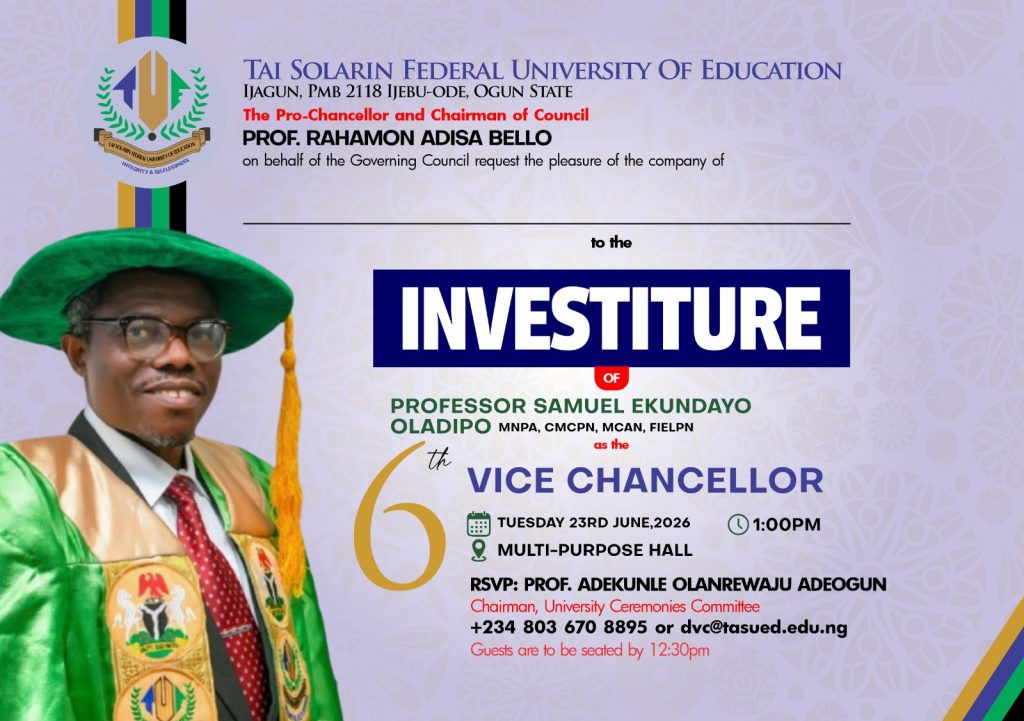
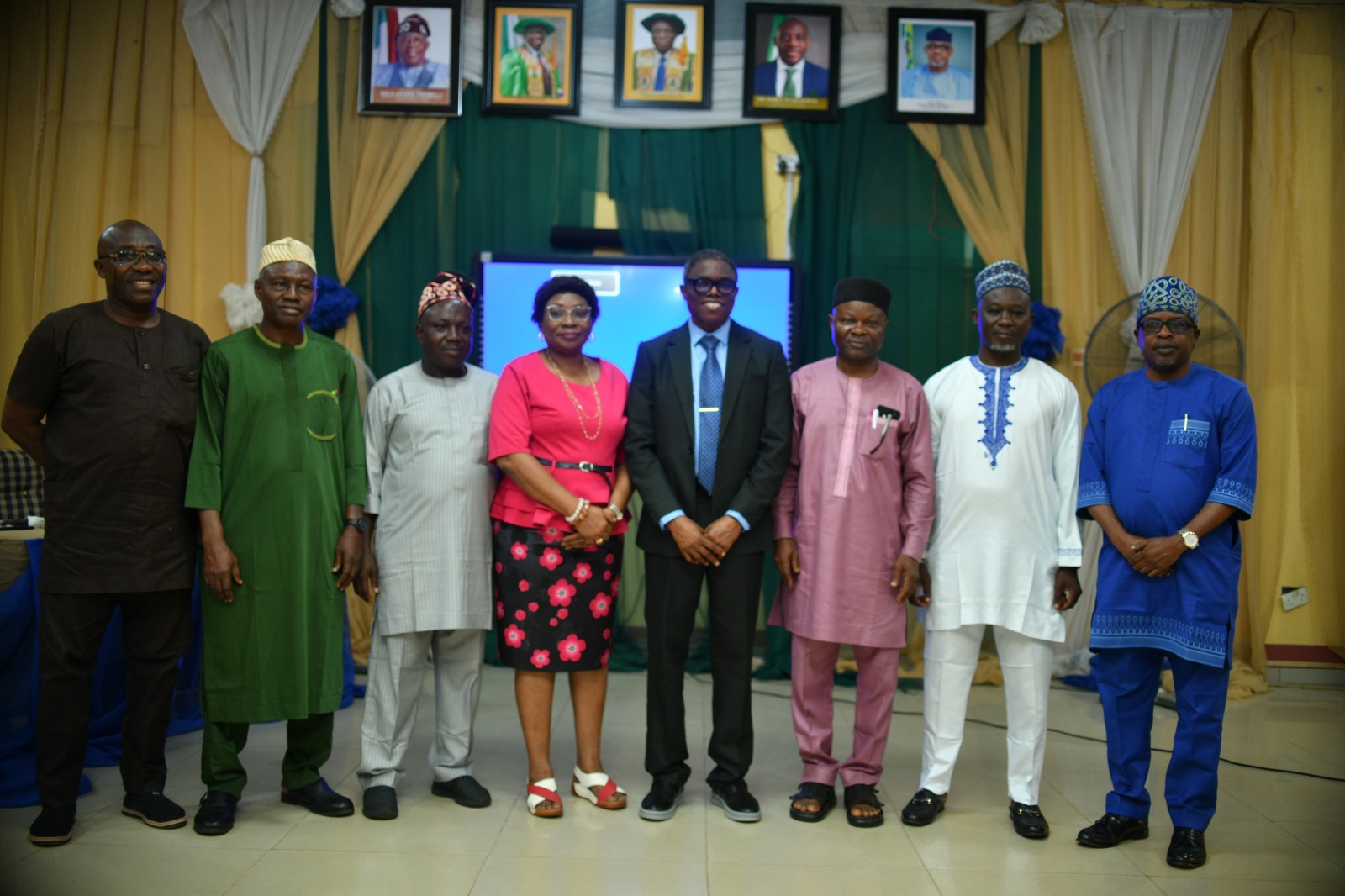
The Vice Chancellor, Tai Solarin Federal University of Education (TASFUED), Ijagun, has reaffirmed its commitment to advancing research excellence and enhancing grant acquisition capacity with the commencement of its Grant Writing Workshop Series 0.1, designed to equip academic staff with the knowledge and skills required to secure competitive research funding.
The workshop, themed “The Art of the Competitive Concept Note,” was facilitated by the Vice-Chancellor, Professor Samuel Ekundayo Oladipo,MNPA,CMCPN,MCAN,FIELPN, who emphasised the critical role of concept note development in the research funding process.
Addressing participants, Prof. Oladipo described concept notes as the gateway to successful grant applications, noting that they often determine whether researchers are invited to submit full proposals.
He stressed that excellence in concept note writing has become increasingly important in a highly competitive funding environment.
Highlighting the realities of contemporary research funding, the Vice-Chancellor revealed that during the 2024 National Research Fund (NRF) cycle, 6,944 concept notes were submitted across Nigeria. Still, only 158 projects received approval, representing a success rate of just 2.27 per cent.
According to him, this underscores the need for researchers to develop concept notes that are strategically aligned with national priorities, supported by compelling evidence, and designed to produce measurable societal impact.
Prof. Oladipo identified three essential elements of a winning concept note: a clearly defined national priority focus, a well-articulated problem statement backed by local data, and a rigorous methodology capable of translating research findings into policy and practice.
He further showcased several successful NRF-funded projects undertaken by Nigerian Scholars in areas such as child protection, gender-responsive Education, women’s health, nutrition, retirement readiness, violence prevention, and Educational Policy Development, demonstrating the transformative potential of well-designed research.
The Vice-Chancellor challenged participants to move beyond theoretical research by developing innovative, evidence-based solutions to pressing societal problems and encouraged greater collaboration, peer review, and multidisciplinary engagement among researchers.
In her welcome address, the Director of the Directorate of Research and External Relations (DRER), Prof. Adefunke Ekine, described the workshop as a strategic intervention aligned with the University’s vision of becoming one of the leading institutions in Nigeria, Africa, and the global academic community by 2031.
She explained that the workshop supports the Research Productivity, Innovation, and Global Ranking pillar of the Vice-Chancellor’s STAR-WIN Agenda and forms part of broader Institutional efforts to strengthen the University’s research ecosystem.
Professor Ekine announced plans to further enhance research administration through the transformation of the Directorate into a full Research Management Office, the introduction of annual grantsmanship training programmes, internal seed grants, and a target of securing at least four TETFund National Research Fund awards annually from 2027.
Delivering another presentation on research funding opportunities, Prof. Ekine exposed participants to a wide range of local, continental, and international funding pathways available to Nigerian academics.
She noted that global funding agencies are increasingly seeking African-led research capable of generating context-specific solutions in areas such as education, climate change, gender equity, school leadership, and STEM development.


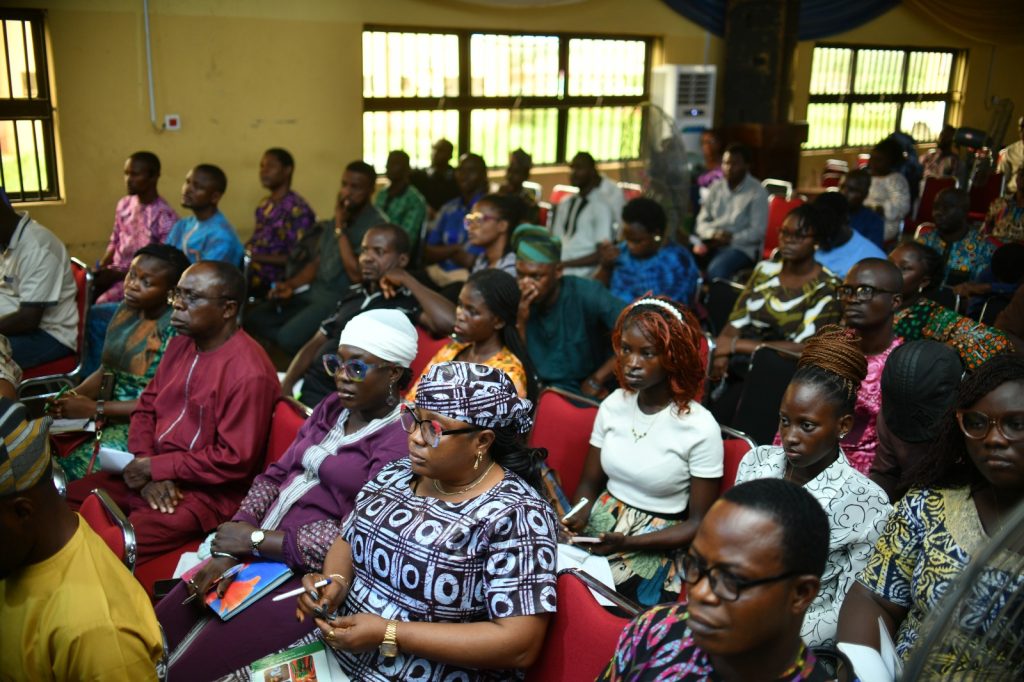
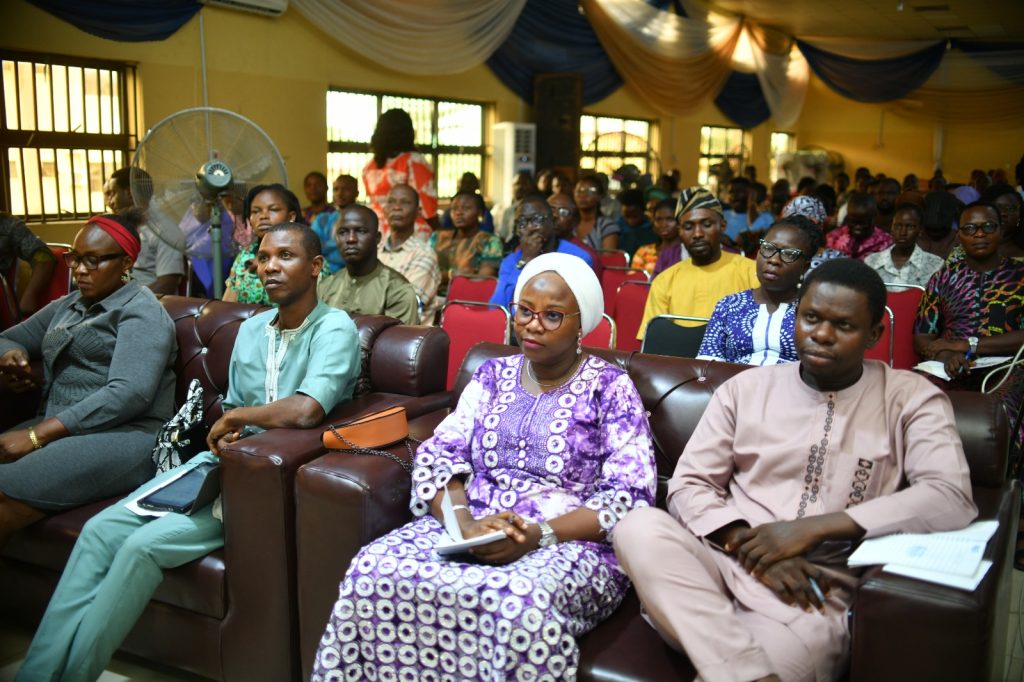


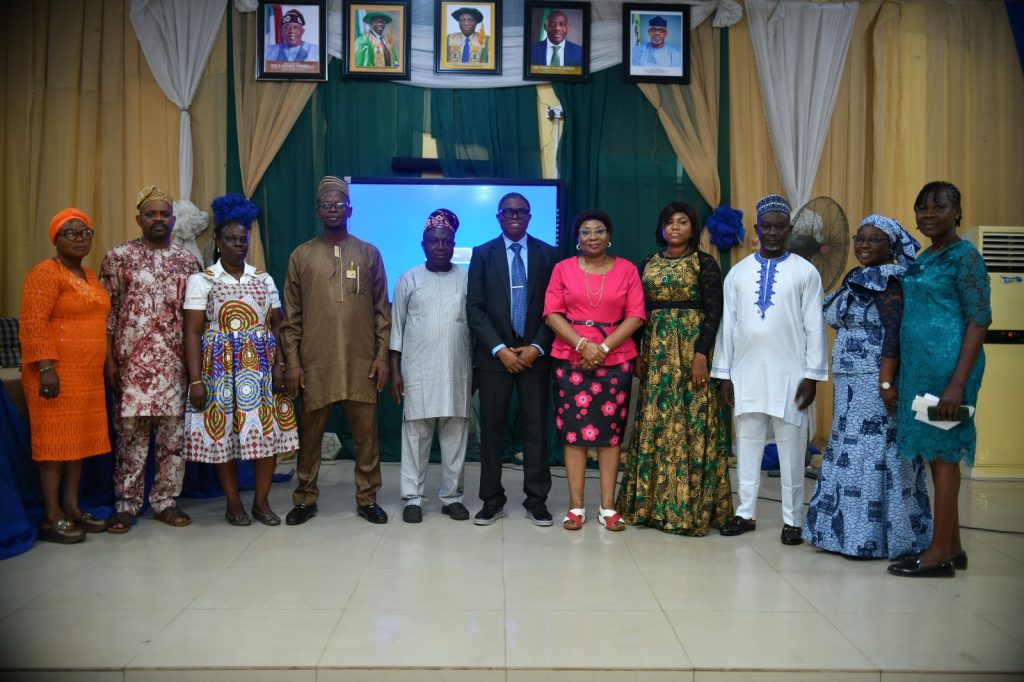
The Director identified five major funding pathways available to researchers, including national funding opportunities such as TETFund Institution-Based Research Grants and the National Research Fund, African philanthropic foundations, global development foundations, international research councils, and prestigious fellowship programmes.
Among the opportunities highlighted were grants from the Mastercard Foundation, Ford Foundation, Spencer Foundation, Malala Fund, J-PAL Africa, Fund for Innovation in Development (FID), Echidna Global Scholars Programme, CODESRIA, ESSA, VVOB, and several international scholarship and fellowship schemes.
She encouraged participants to leverage available institutional support structures, build strong professional networks, develop visibility through conferences and digital platforms, and continuously improve their grant-writing skills.
A major technical session of the workshop was delivered by Prof. Jimoh Wale Owoyele, Director of Academic Planning and Quality Assurance, who spoke on “From Idea to Funded Project: The Do’s and Don’ts of a Grant-Winning Concept Note.”
Prof. Owoyele described a concept note as a concise document designed to persuade funding agencies to invite a full proposal. He advised participants to thoroughly study donor guidelines, align project ideas with donor priorities, and ensure strict compliance with application requirements.
According to him, successful concept notes begin with a clear and specific problem statement, measurable objectives, realistic implementation plans, and sustainable outcomes.
He also emphasised the importance of demonstrating institutional capacity, developing credible budgets, obtaining necessary approvals, and avoiding common compliance errors that frequently lead to proposal rejection.
The workshop concluded with an interactive session during which participants received practical guidance on refining research ideas into fundable projects and navigating the increasingly competitive research funding landscape.